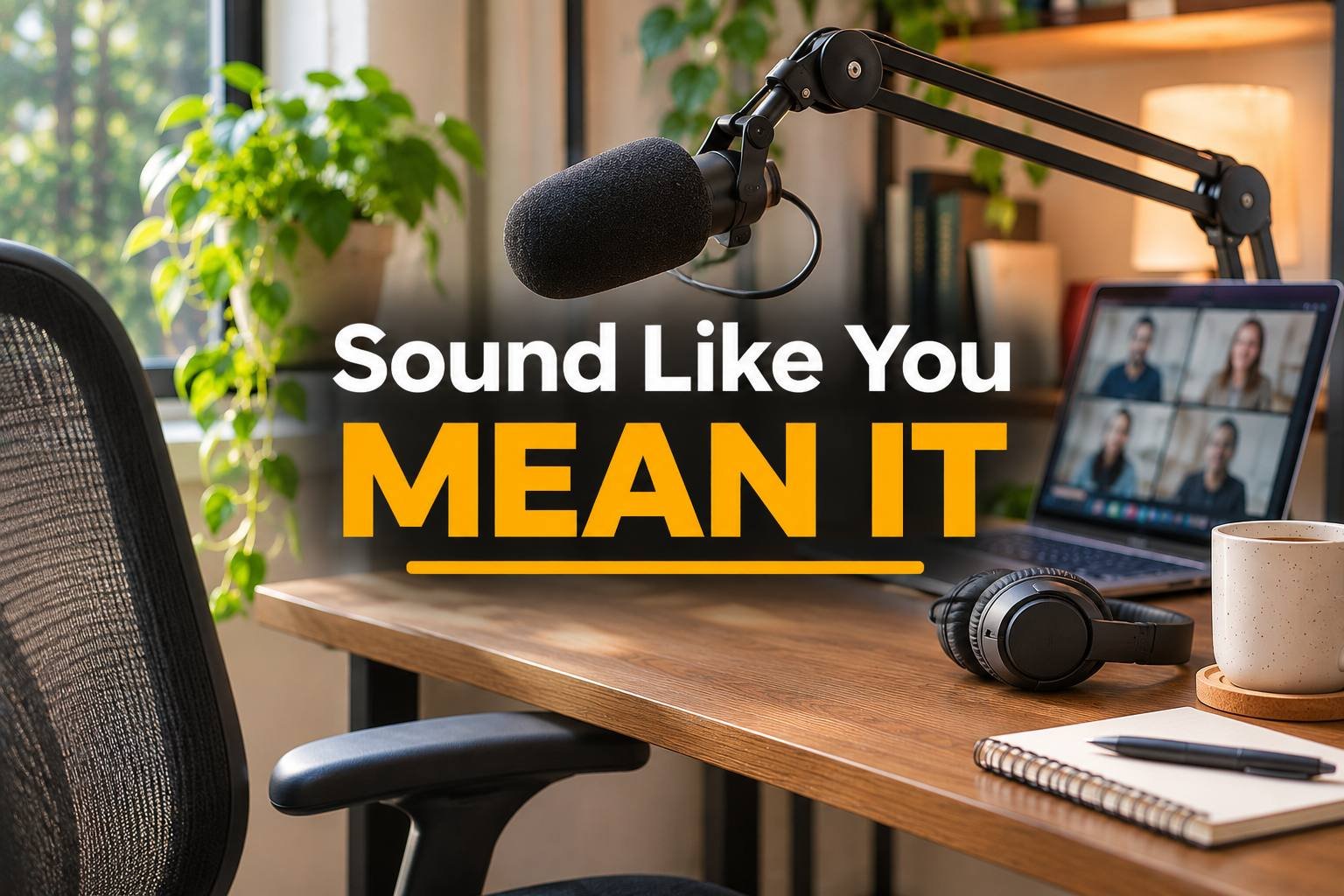
Best USB Microphones for Remote Work
Heads up: this post has affiliate links. If you buy through them, I may earn a small commission at no extra cost to you. Full disclosure here.
Quick Picks at a Glance
| Product | Best For | Deal |
|---|---|---|
| FIFINE AmpliGame AM8 | Best value for noisy homes | Check Price |
| Shure MV7+ | Best sound overall | Check Price |
| Blue Yeti | Versatile all-rounder | Check Price |
| Blue Yeti Nano | Smaller desks | Check Price |
| RØDE NT-USB Mini | Simple, great-sounding condenser | Check Price |
| Samson Q2U | USB plus XLR on a budget | Check Price |
| FIFINE K669B | Cheapest real upgrade | Check Price |
My top pick: FIFINE AM8. A dynamic mic that ignores most of your room noise, for a price that feels like a typo. It’s the one I’d hand to anyone working from a noisy house.
Your laptop mic is the weakest part of your setup. It sits a couple of feet away, picks up every keyboard clack and fan whir, and makes you sound thin and far off. People notice. They might not say anything, but they notice.
A USB mic fixes that in about a minute. Plug it in, pick it in Zoom’s audio settings, done.
Dynamic or condenser? Read this first
This decides more than brand does. Dynamic mics pick up mostly what’s right in front of them, so they’re great in noisy homes with kids, dogs and a dishwasher running. You do need to stay fairly close. Condenser mics sound fuller and more detailed, but they hear the whole room, echo and all. In a quiet, carpeted office, condensers sound lovely. In a kitchen? Rough.
My opinion: most remote workers should get a dynamic mic. Homes are loud.
The picks
FIFINE AmpliGame AM8: best value
A dynamic mic with both USB and XLR, so it works out of the box and can grow with you if you ever get an audio interface. It rejects background noise really well for the price, and it has a mute button and headphone jack. This is the pick I’d recommend most often.
Shure MV7+: best sound
Shure’s broadcast-style dynamic mic with smart features like auto level, so your volume stays consistent even if you lean back. It sounds rich and clear and handles noisy rooms well. It’s priced like a pro mic because it is one.
Blue Yeti: the versatile classic
The Yeti is everywhere for a reason. It has several pickup patterns, so it can handle solo calls, interviews or a whole table of people. It’s a condenser, so it picks up more room noise, and it’s big and heavy. Great in a quiet room.
Blue Yeti Nano: smaller desks
A smaller Yeti with fewer patterns. Same Blue sound in a size that doesn’t dominate your desk.
RØDE NT-USB Mini: simple and great-sounding
A compact condenser that just sounds good with almost no setup. Clean, warm voice in a quiet room, with a headphone jack built in.
Samson Q2U: budget USB plus XLR
A long-time budget favorite. Dynamic, USB and XLR, decent noise rejection. It’s a little plain, but it does the job and keeps doing it.
FIFINE K669B: cheapest real upgrade
Costs about the same as lunch and still beats a laptop mic by a mile, as long as your room is quiet. Great starter mic.
Setup tips that matter more than the mic
Get close. Four to six inches from your mouth for a dynamic mic. Distance is the number one reason people still sound echoey with a good mic.
Use a boom arm. A mic boom arm puts the mic close without blocking your face or your screen, and stops keyboard thumps from traveling up the stand.
Wear headphones. Otherwise the mic picks up the other people’s voices from your speakers and they hear their own echo. A foam windscreen also helps with p and b pops.
FAQ
What’s the best microphone for Zoom calls?
For most home offices, a dynamic USB mic like the FIFINE AM8 or Shure MV7+. They focus on your voice and ignore more of the noise around you.
Is a USB mic better than a headset mic?
A good USB mic usually sounds fuller and more natural. A headset is more convenient and keeps the mic at a consistent distance. Both beat a laptop mic.
Do I need XLR?
No. USB is all you need for calls. XLR only matters if you plan to upgrade to an audio interface for podcasting or recording.
Why do I still sound echoey with a good mic?
Usually because the mic is too far away or the room is hard and empty. Move the mic closer, add soft stuff to the room, or switch to a dynamic mic.