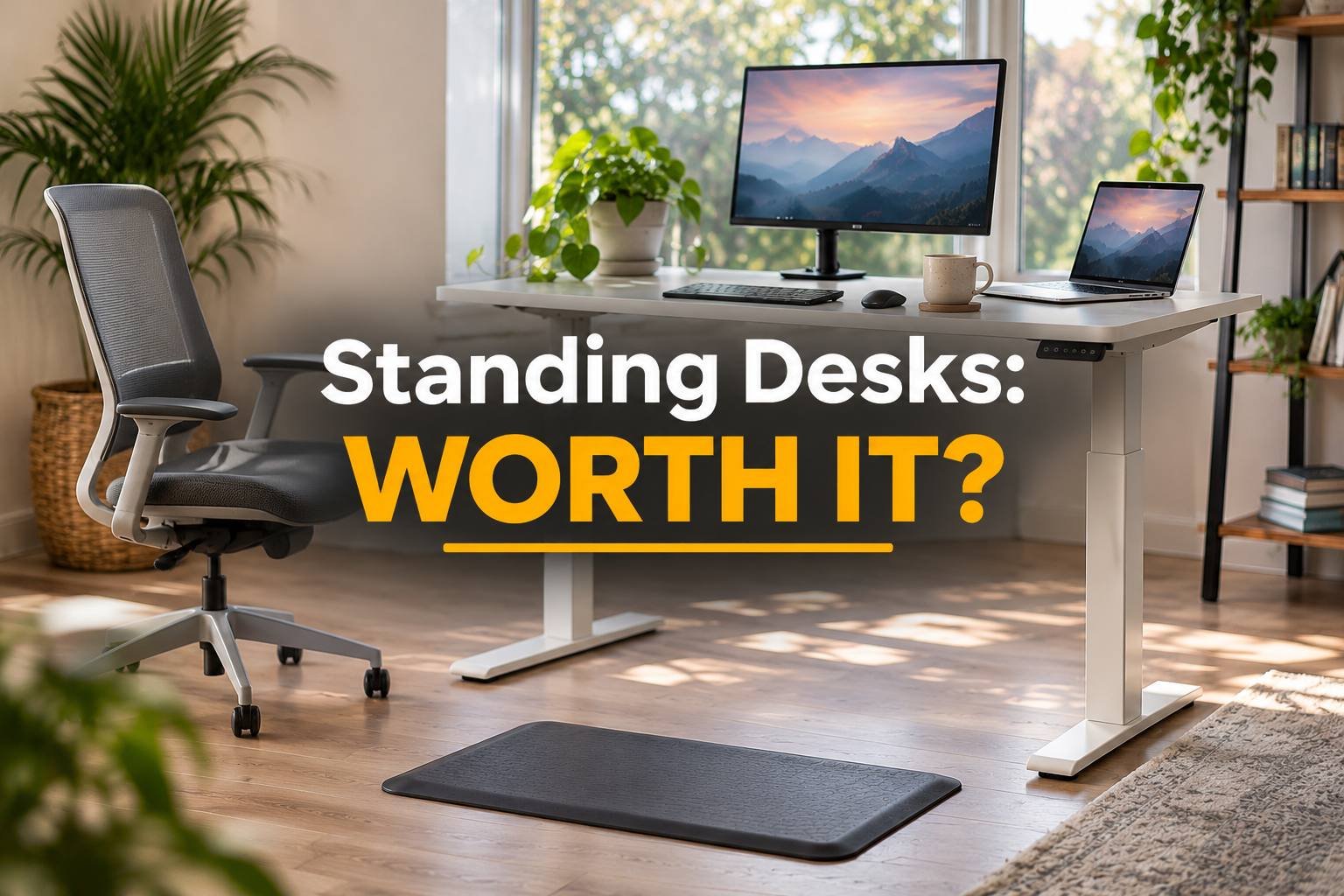
Standing Desk Pros and Cons for Working From Home
Heads up: this post has affiliate links. If you buy through them, I may earn a small commission at no extra cost to you. Full disclosure here.
Quick Picks at a Glance
| Product | Best For | Deal |
|---|---|---|
| FlexiSpot E7 | Best all-round desk for most home offices | Check Price |
| Uplift V2 | Tall users and heavy setups | Check Price |
| ErGear Electric Standing Desk | Trying it on a budget | Check Price |
| VIVO Desk Converter | Keeping the desk you already have | Check Price |
| Ergodriven Topo Mat | Making standing comfortable | Check Price |
| Ergotron LX Monitor Arm | Fixing screen height at both positions | Check Price |
My top pick: FlexiSpot E7. If the pros below win you over, this is the desk I’d start with. Dual motors, solid frame, and it doesn’t cost what the boutique brands do.
Standing desks got sold to us as a cure for everything. Back pain, low energy, “sitting is the new smoking.” Most of that was overhyped. But I still think a standing desk is worth it for most people who work from home full-time. Just not for the reasons the ads say.
The pros
You move more, and that’s the whole point
The real benefit isn’t standing. It’s switching. When changing position takes one button press, you do it. You shift, you stretch, you walk to the kitchen because you’re already up. Sitting in one spot for six hours is the actual problem, and a standing desk makes breaking that up almost automatic.
Afternoons feel less sluggish
This one’s anecdotal, but I hear it constantly and it’s been true for me. Standing for the post-lunch stretch of the day keeps you more alert than slumping in a chair. Calls especially. You sound more awake when you’re on your feet.
You can fit the desk to your body
A fixed desk is usually around 29 or 30 inches tall no matter who’s sitting at it. An adjustable one lets you set the exact sitting height too, which helps shorter and taller people more than anyone talks about. That alone can be worth it.
It works for more than one person
Share the office with a partner? Memory presets mean you each get your own heights. No more fighting over the chair setting.
The cons
Standing all day isn’t healthier
Some people buy one and stand eight hours straight. Bad idea. Your feet, knees and lower back will let you know. Standing is a position, not a workout. Treat it like sitting: fine in moderation, bad if you never change.
Cheap ones wobble
This is the big one. A wobbly desk at standing height makes your monitor shake every time you type, and it’s maddening. Single-motor budget desks are the worst offenders. If you’re going to buy one, spend enough to get a stable frame. I’d look at the FlexiSpot E7 or the Uplift V2 before anything rock-bottom. More on that in the best standing desks for home offices.
The real cost is higher than the sticker
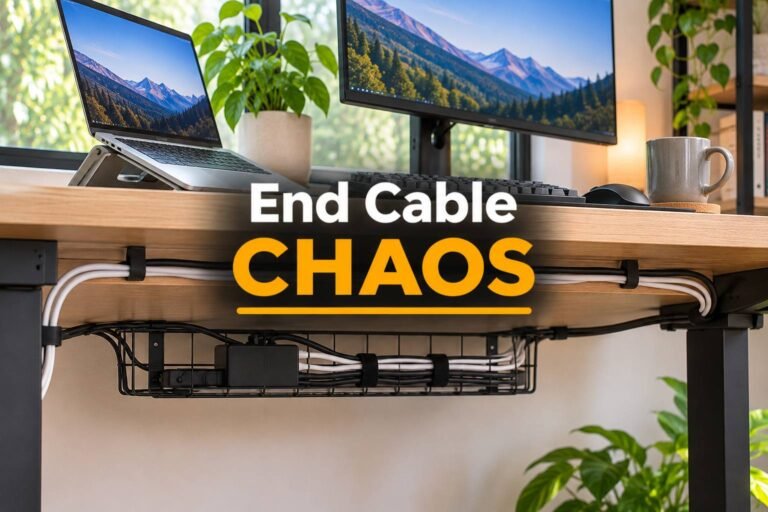
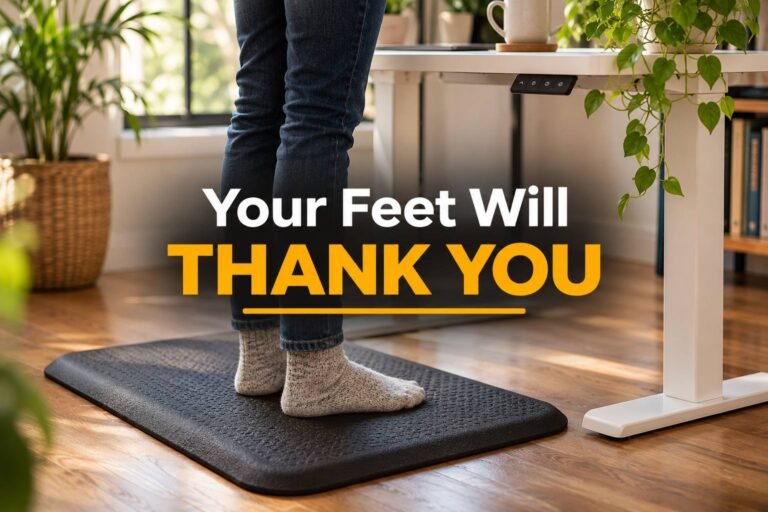
The desk is just the start. You’ll probably want an anti-fatigue mat, a monitor arm so the screen sits right at both heights, and a cable tray so nothing snags when the desk moves. Budget for those or you’ll end up annoyed.
They’re heavy and a pain to assemble
A good frame weighs a lot. You’ll want a second person for the top. If you move apartments often, keep that in mind.
Who should skip one
If you work from home a couple of days a week, a standing desk is a nice-to-have. A desk converter that sits on your current desk gets you most of the benefit for less money and zero assembly drama.
Same goes if you know you’ll never press the button. Be honest with yourself. A lot of standing desks spend their lives at sitting height. If that’s you, put the money into a great chair instead. I covered those in the ergonomic gear guide.
My take
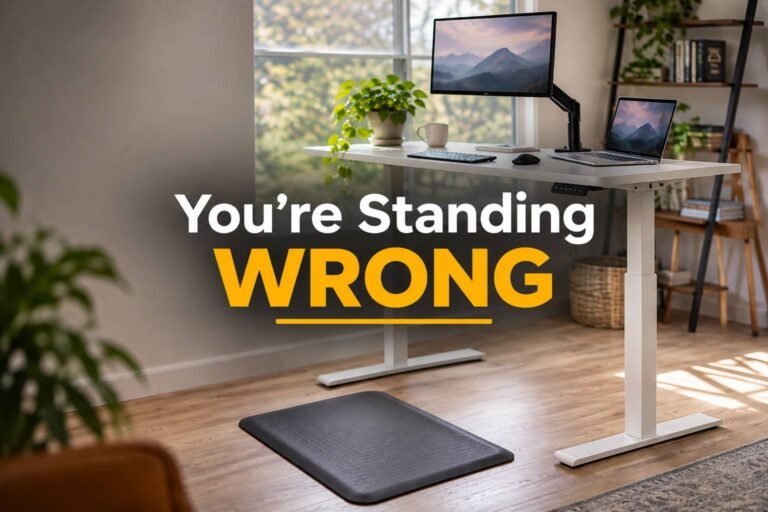
For a full-time remote worker, yes, get one. Get a stable electric model, put a mat in front of it, and set it up properly (here’s how to set up a standing desk). Then use it for what it’s actually good at: making it easy to change position all day long.
FAQ
Are standing desks actually good for you?
They’re good for you in the sense that they make it easy to stop sitting still for hours. Standing itself isn’t magic. The benefit comes from switching positions often.
What’s the biggest downside of a standing desk?
Wobble on cheap models, and the extra stuff you end up buying (mat, monitor arm, cable tray). Plan for both.
Is a desk converter as good as a standing desk?
For part-time use, close enough. Converters raise your keyboard and monitor on top of your existing desk. They’re cheaper and easier, but they eat desk space and usually aren’t as stable.
How many hours a day should I stand?
There’s no magic number. Start with 15 to 30 minutes at a time and build up. Alternating through the day beats long stretches of either.